
Biliary Atresia

September 22, 2022
-

6:00 pm to 7:00 pm
Biliary atresia is a rare condition in infants in which the bile ducts are scarred and blocked. Bile can’t flow into the intestine, so bile builds up in the liver and damages it. Thanks to advances in treatment, the vast majority of infants with biliary atresia survive to adulthood.
In this interactive session with two experts from Texas Children’s Hospital, patients and families will improve their understanding of biliary atresia, its management, and potential complications. Join us and have your questions answered.
Meet Our Speakers

Pediatric GI Hepatology Fellow, Baylor College of Medicine
Dr. Sakhuja is currently a Pediatric GI Hepatology fellow at Baylor College of Medicine/Texas Children’s Hospital, and an aspiring Pediatric Transplant Hepatologist. She received her medical degree from McGovern Medical School and completed her Pediatrics residency at Washington University in St. Louis. Her clinical and research interests include health disparities in transplant recipients, and liver transplant outcomes.

Associate Professor of Pediatric Gastroenterology, Hepatology, and Nutrition, Baylor College of Medicine/Texas Children’s Hospital
Dr. Hertel’s clinical and research expertise focus on pediatric liver disease. Dr. Hertel oversees several long-term research studies conducted at Texas Children’s that are part of an NIH-funded multicenter human subjects research effort entitled “ChiLDREN”, which was designed to combine the research efforts of major pediatric centers in the U.S. and in Canada to better understand biliary atresia and other pediatric liver diseases.
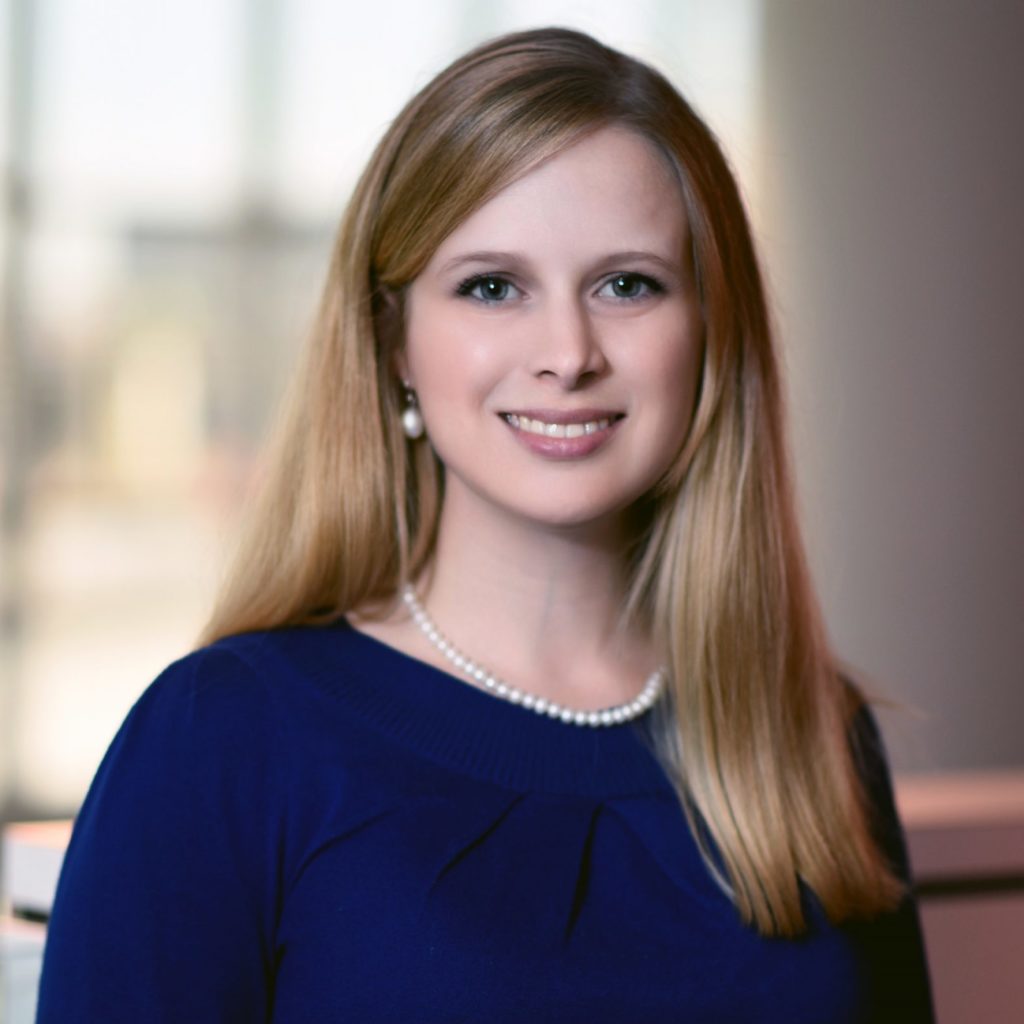
Pediatric Gastroenterologist and Hepatologist, Assistant Professor of Pediatrics, Baylor College of Medicine/Texas Children’s Hospital
Dr. Tessier is a pediatric gastroenterologist and hepatologist at Texas Children’s Hospital. Her research focus is on the microbiome in cholestatic liver diseases, with a particular focus on the microbiome in biliary atresia and its relationship to outcomes.